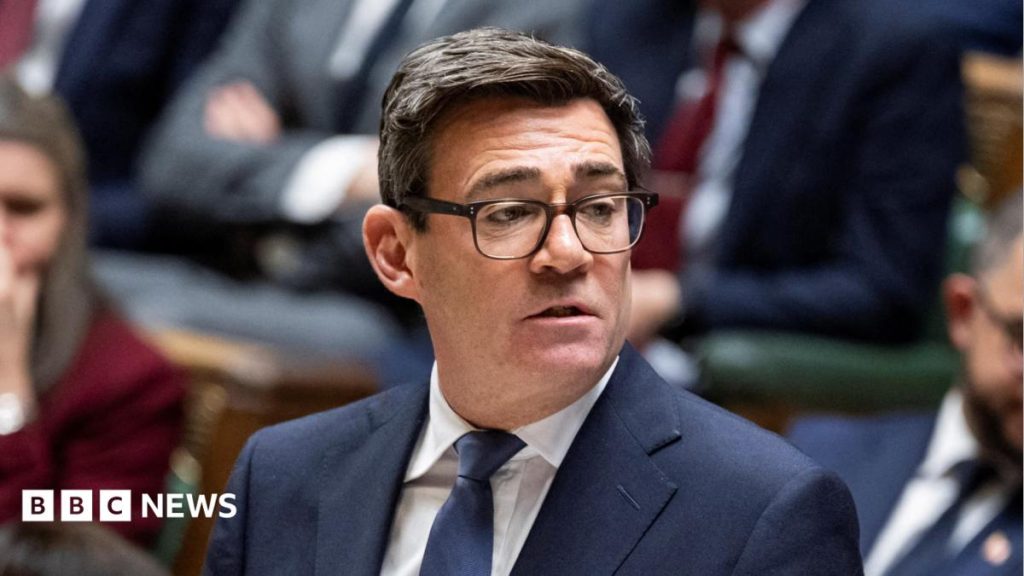
Andy Burnham said he believes there is now a "sufficient degree of control" of net migration in the UK after it fell to 77,000 in the year to the end of June.
The prime minister said the country is "getting into the position that the public has long wanted to see" but added that there was more work to do.
The Office for National Statistics (ONS) said it is the lowest recorded net migration estimate since 1997, excluding the coronavirus pandemic.
The Conservatives said the fall was "mainly a result of changes" they made in government, while Reform UK said the figures were "no cause for celebration".
UK net migration at lowest level since 1997 as asylum claims also fallPublished2 hours ago
UK net migration at lowest level since 1997 as asylum claims also fall
Track UK's latest migration numbers – net migration, visas, asylum and small boatsPublished4 hours ago
Track UK's latest migration numbers – net migration, visas, asylum and small boats
What are the planned changes to immigration rules?Published3 November
What are the planned changes to immigration rules?
Net migration is a measure of how many extra people are added to the population in a given year.
An estimated 738,000 people immigrated to the UK in the year to June while 661,000 emigrated, according to the ONS.
In the previous 12 months, UK net migration was recorded as 204,000. It peaked at 944,000 in the year to March 2023.
The 77,000 net migration figure released on Thursday comes more than 16 years after former Conservative leader David Cameron pledged to cut it to below 100,000 before he came to power in 2010.
Speaking to broadcasters, Burnham said: "These figures begin to answer what the public has been saying, we want to see much greater control over the system.
"I'm not going to say all of the work is done and I don't want to appear complacent, but I think we're finally, as a country, getting into the position that the public has long wanted to see."
It was put to Burnham that some people may argue this was a "benefit of Brexit", in light of his desire to explore closer ties with the European Union.
Asked if freedom of movement should be up for discussion as part of the UK's future relationship with the EU, Burnham said in his reply: "I don't think you can say that Brexit did anything other than weaken control of immigration in this country."
The ONS said net migration had "fallen to levels not typically seen since the 1990s".
The biggest factors in Thursday's record low were falls in the arrivals of people coming from outside Europe in three major categories of migration: The number of people coming to the UK to work fell by 45,000, asylum claims fell by 19,000 and the total number of students fell by 33,000.
A fall had been expected because of the tightening of visas rules that began under the previous Conservative government which was then continued by Labour from July 2024.
Shadow home secretary Chris Philp argued the Conservatives should receive credit for the decrease in net migration.
He added: "We now need to go even further with an annual legally binding inward migration cap, set by Parliament, at far lower levels.
"British and European people are leaving in their droves because of Labour's high taxes whilst non-EU immigration remains far too high."
Liberal Democrat asylum and immigration spokesman Paul Kohler said Britain faces "serious demographic and economic challenges, and urgently needs a proper immigration plan to support our economy and public services".
Zia Yusuf, Reform's home affairs spokesman, said there had been a "population explosion" under Conservative and Labour governments.
He added his party's measures included aiming to "deport all those who came illegally" as it bids to deliver "net negative migration".
A Green Party spokesperson said: "Creating a harsh environment for migrants and asylum seekers is not a measure of success."
More coverage
Badenoch challenges Burnham over university fees for EU students

Mandelson kept shares as ambassador despite conflict of interest fears, documents show
Nearly 100 Labour MPs including ministerial aides oppose Rosebank oil field
Discussion